Oolong teas from Wuyishan are renowned for the exquisite fragrance imbued into them through a long and slow roasting process and their yan yun - cliff charm or rock rhyme, an abstract quality found in good Yan Cha, but also a sense of minerality on the tongue that reminds one of the rocky cliffs these teas are cultivated on. These qualities come to the forefront in this Shui Xian, harvested from tall, unpruned bushes in Xianrenyan. Its leaves are wound into long, thick strands that exude a pleasant aroma of flowers with hints of chocolate. Upon first contact with water, a strong and full-bodied fragrance fills the room and accompanies the entire drinking experience from start to finish. The clear and vibrant orange tea soup portends the marks of a great Yan Cha with a lighter roast. Its taste is bright and floral, combining with notes of citrus to evoke an impression of Bergamot, accompanied by a gentle woody backbone and hints of spice. The long-lasting aftertaste with a layer of minerality becomes more prominent with every steep. This tea feels light in the mouth - almost ethereal, but nonetheless leaves the one drinking with a sense of fullness.
Enjoy this tea if you want a premium Oolong that feels light, but has plenty of strength. A tea with an abundance of character that still checks all the boxes and keeps them balanced.
Written by Sigi
Shui Xian Categories
Most producers in Wuyishan distinguish between Shui Xian and Lao Cong Shui Xian, the latter designating older, taller plants. Master Tu, the curator of some of our most outstanding Yan Cha, categorizes the Shui Xian plant into three distinct groups.
1. Definition by Tree Age
2. Tree Morphology
Shui Xian
Gao Cong Shui Xian
Lao Cong Shui Xian
For best results in gongfu cha, brew in the traditional gaiwan or in a Yixing teapot. Too high water temperature would burn the leaves, resulting in bitter taste.
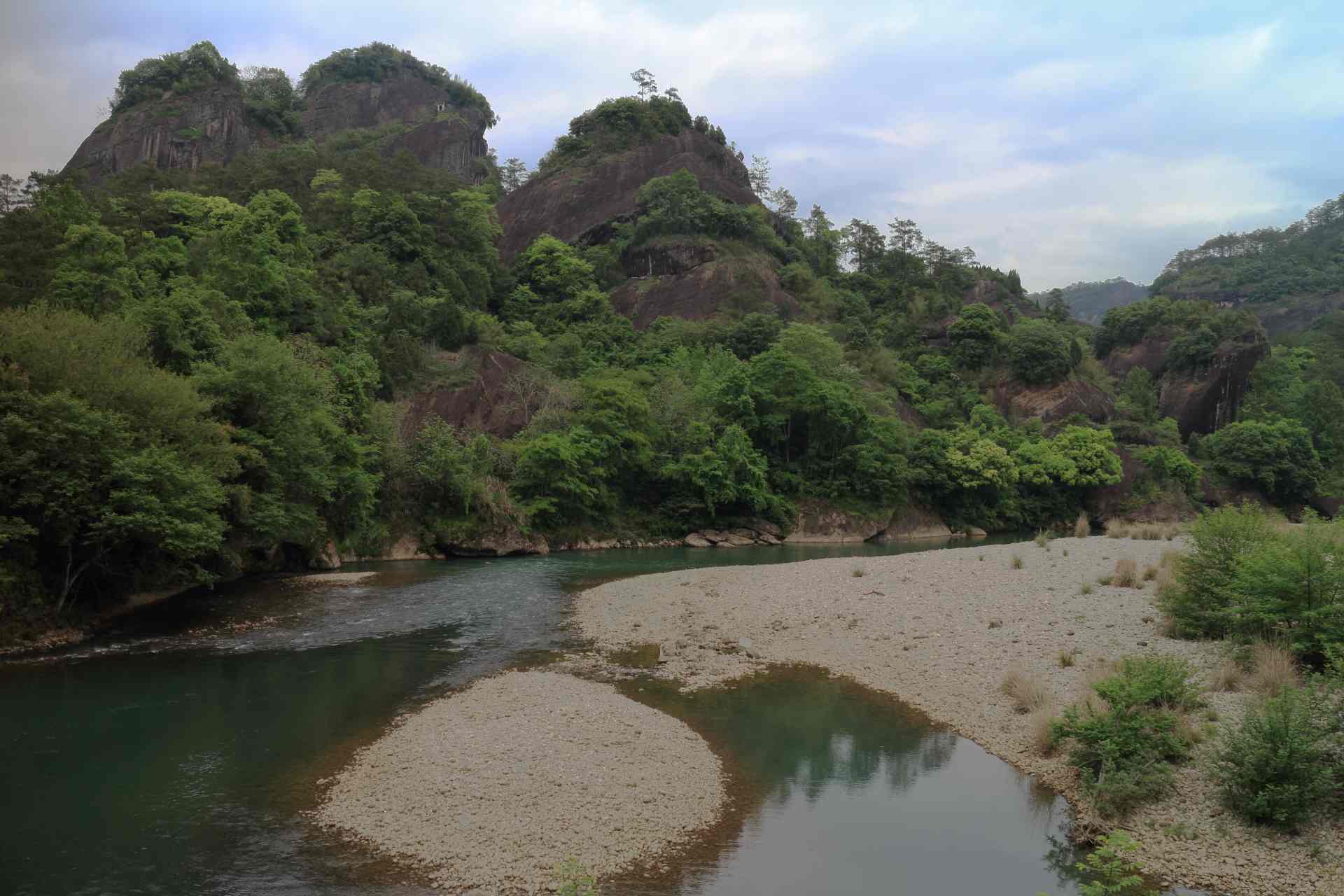
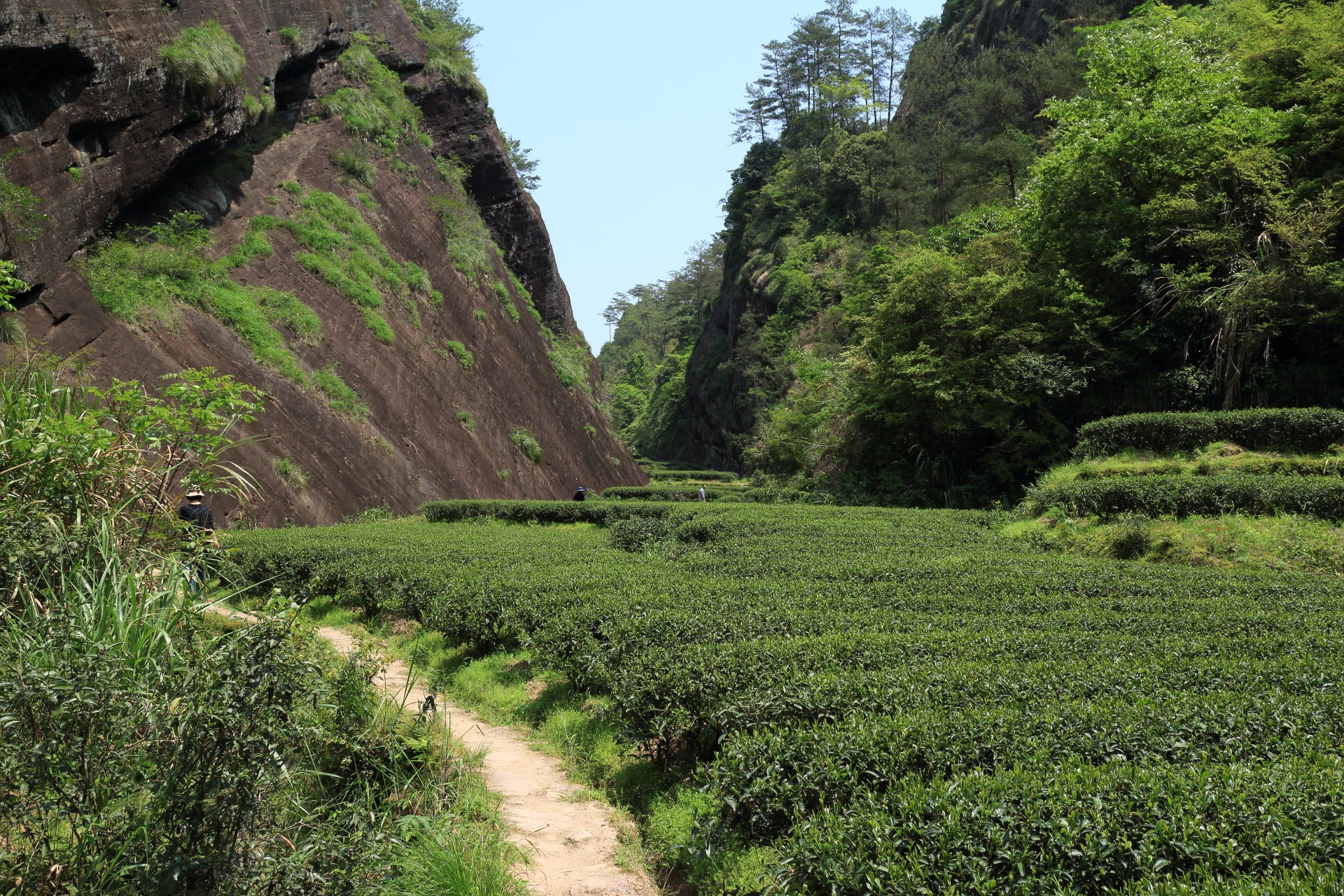
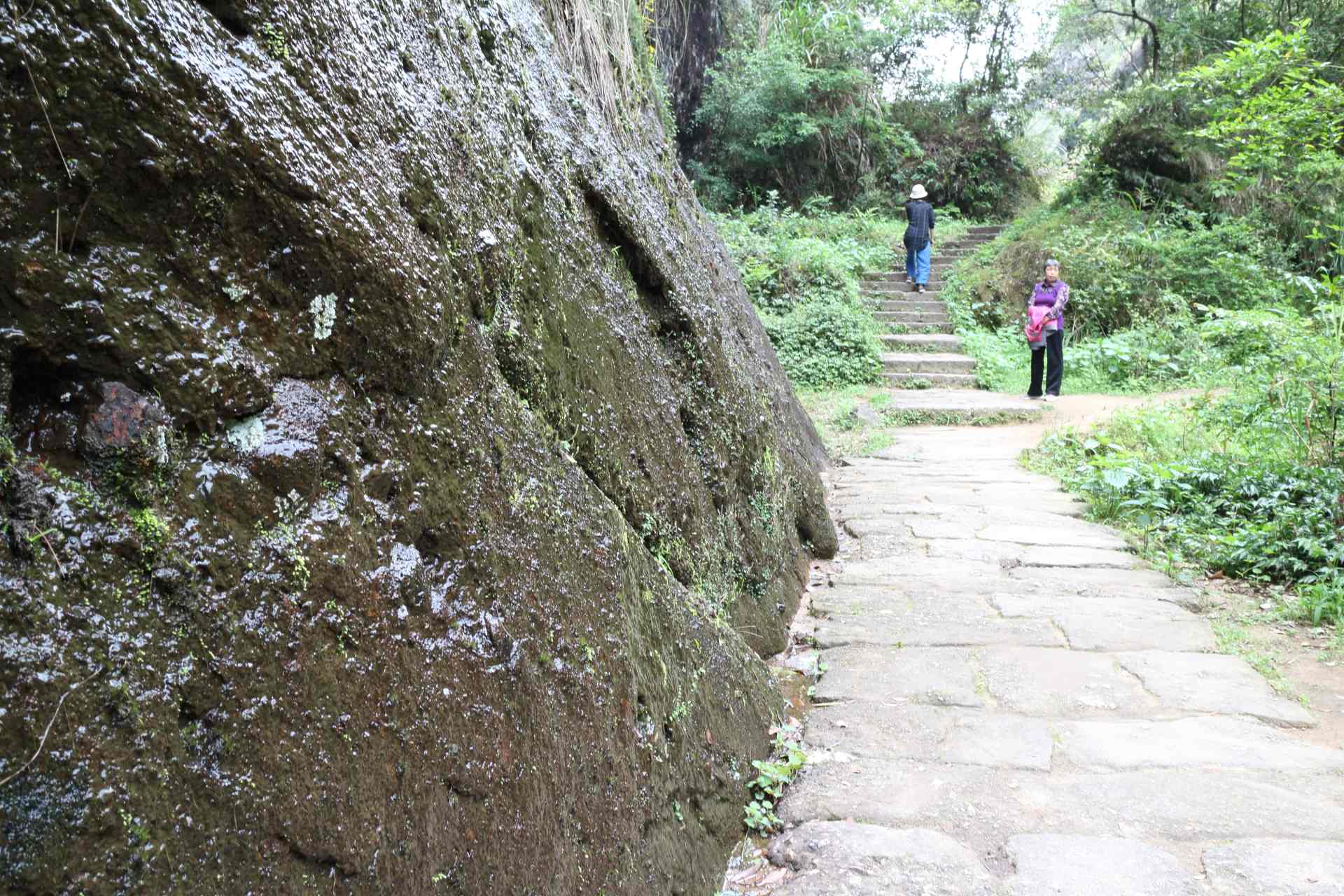
Authentic Wuyi Yan Cha is produced in the Wuyi Mount region, a UNESCO natural heritage site. The dramatic gorges of the Nine Bend River are surrounded by a largely intact subtropical forest and smooth cliffs of black-brownish rocks. The tea plants grow in narrow valleys, next to the cliffs, in a mineral-rich soil.


 USA (English)
 Europe (English)
 Europe (German)