To many tea drinkers in China, the name Da Hong Pao is synonymous to the entire category of Wuyi Yan Cha, and for good reason. Not only is it one of the Si Da Ming Cong - the four famous and classic types of Yan Cha (Da Hong Pao, Tie Luo Han, Bai Ji Guan, Shui Jin Gui), it’s also a label that’s commonly used for a variety of Yan Cha blends. However, there is also a third category associated with this illustrious name: tea made from the Qi Dan cultivar, which is said to be cloned from one of the six mother bushes of the original Da Hong Pao.
This Qi Dan Da Hong Pao delights the senses with its captivating fragrance - gentle at first, its twisted leaves soon bloom into a bouquet of flowers and spices. Imbibing the tawny tea soup reveals the soothing flavour of clover honey, joined by the taste of dried medicinal herbs to create a nourishing potion. As one would expect from a Yan Cha with this pedigree, a light sensation of minerals on the tongue harkens back to its origins throughout the entire drinking experience. This tea is lighter in nature, with an elegant aroma and flavours that please the palate, making you want to keep pouring steep after steep after steep.
Written by Sigi
For best results in gongfu cha, brew in the traditional gaiwan or in a Yixing teapot. Too high water temperature would burn the leaves, resulting in bitter taste.
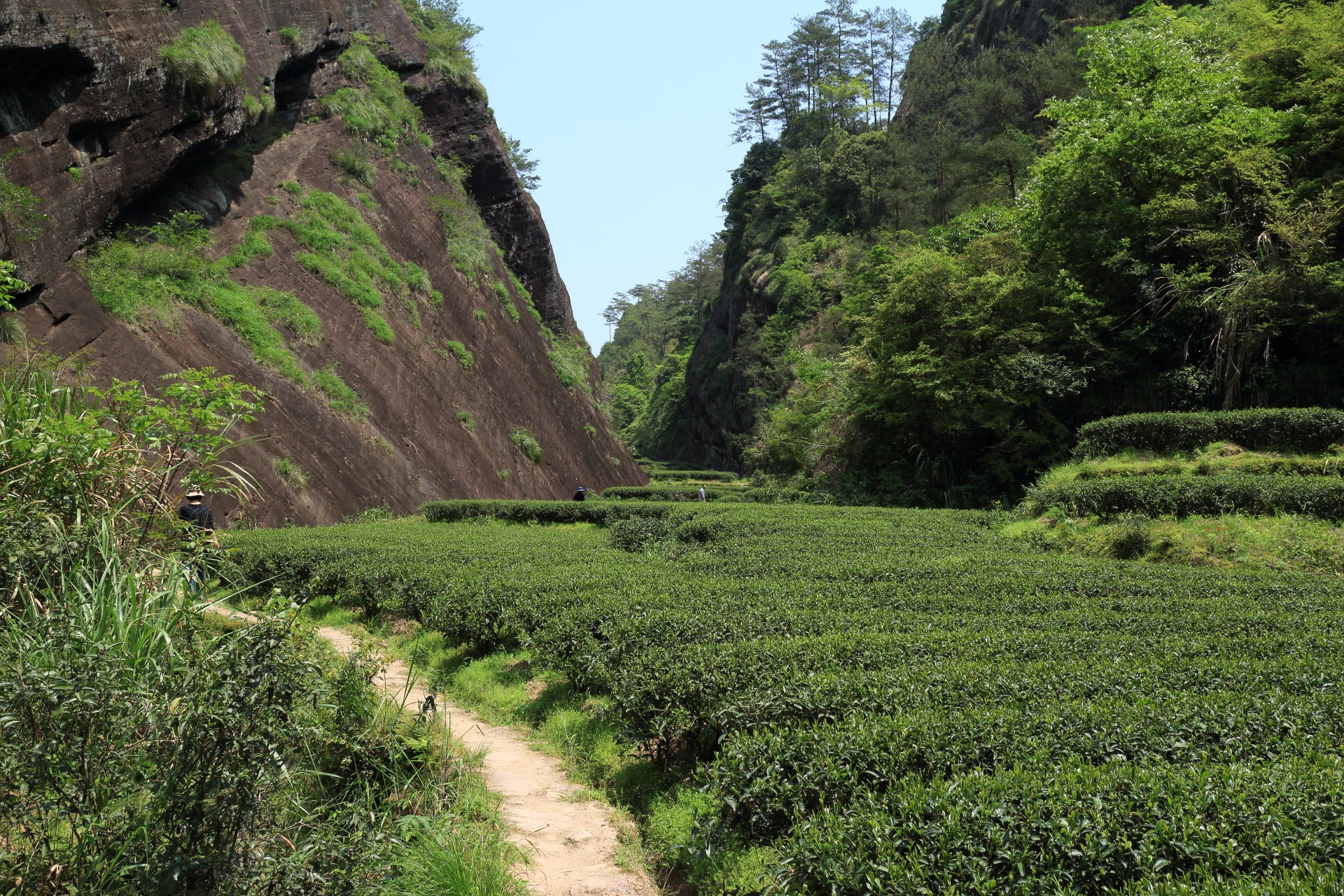
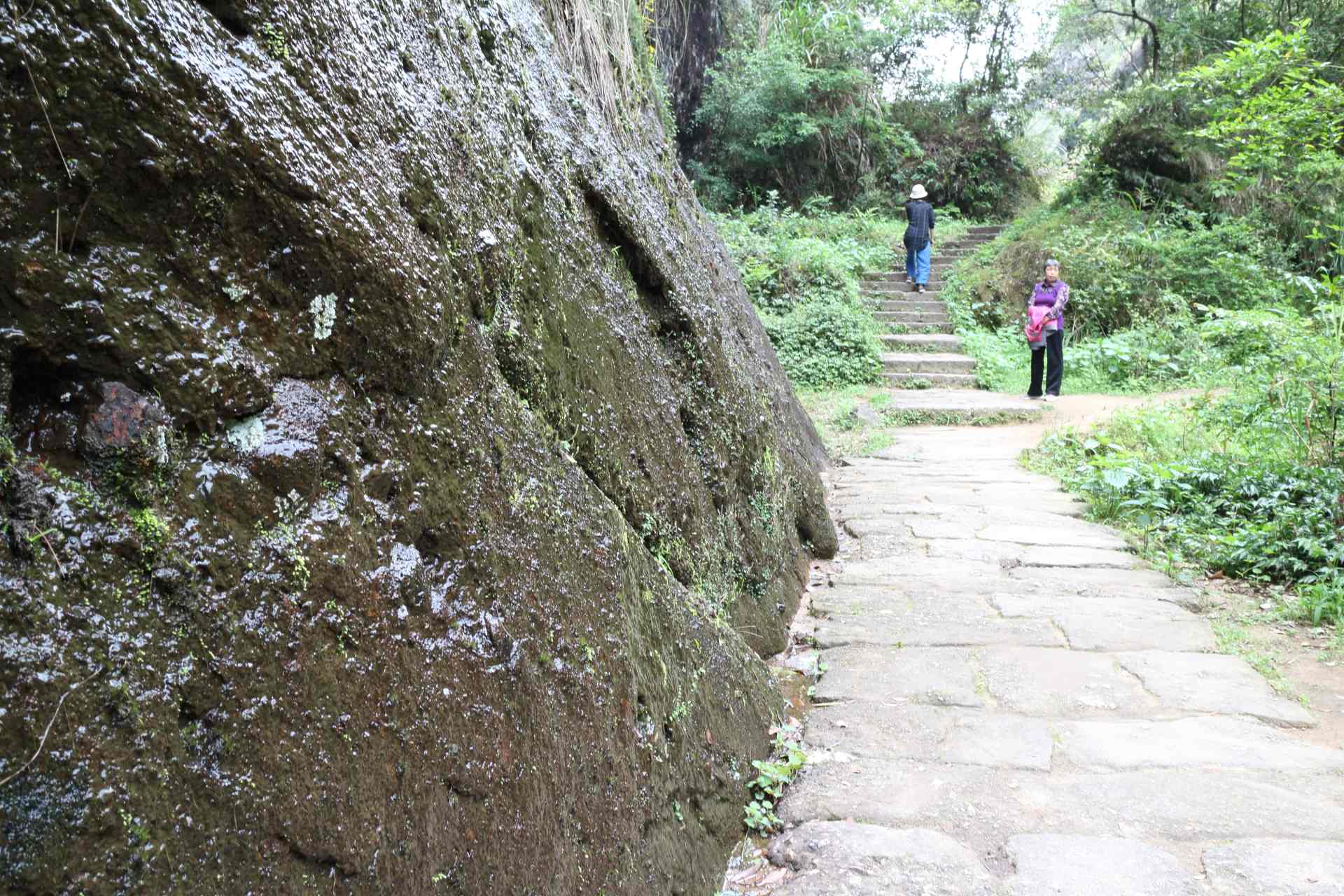
Authentic Wuyi Yan Cha is produced in the Wuyi Mount region, a UNESCO natural heritage site. The dramatic gorges of the Nine Bend River are surrounded by a largely intact subtropical forest and smooth cliffs of black-brownish rocks. The tea plants grow in narrow valleys, next to the cliffs, in a mineral-rich soil.


 USA (English)
 Europe (English)
 Europe (German)